

Choosing a spouse becomes overwhelming when you are trying to evaluate thirty or forty qualities at once. Haleh Banani’s practical 3/3 Rule helps you simplify the decision without reducing marriage to a checklist.
The 3/3 Rule: identify three qualities you cannot live without and three qualities you cannot live with.
What the 3/3 Rule Is—and Is Not
This is a practical decision tool, not an Islamic legal rule or a guarantee of marital success. It helps you separate true priorities from preferences shaped by fantasy, family pressure, or social comparison.
Choose Three Qualities You Cannot Live Without
These should be qualities connected to the life you want to build. Examples might include sincerity in faith, emotional kindness, responsibility, intellectual companionship, generosity, or commitment to family.
Do not choose vague labels. Define what the quality looks like in behavior. “Religious” may mean consistent prayer, humility, honesty, and willingness to keep learning. “Kind” may mean controlling anger, speaking respectfully, and caring about the vulnerable.
Choose Three Qualities You Cannot Live With
These are not minor annoyances. They are patterns that would make a healthy marriage unlikely for you: cruelty, chronic dishonesty, uncontrolled rage, arrogance, addiction without accountability, severe irresponsibility, or contempt for your core values.
Look for patterns, not one polished interview. Speak with people who know the person in different settings. Observe how they handle frustration, service workers, family, money, and correction.
Compatibility Is More Than Shared Labels
Discuss faith practice, children, finances, work, education, location, in-laws, gender expectations, conflict, emotional expression, and long-term vision. Two people can both be good Muslims and still be poorly matched for one another.
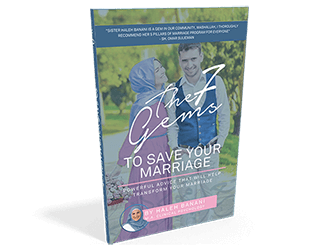
Free marriage guide
Start with Haleh Banani’s 7 Gems to Save Your Marriage—practical shifts you can begin using immediately.
Do Not Marry a Future Version of Someone
One of the most dangerous assumptions is, “They will change after marriage.” People can grow, but you should make the decision based on the person standing in front of you now.
Ask yourself: If this quality never changes, can I accept it without resentment?
Attraction Matters, but It Is Not the Whole Decision
Physical attraction should not be ignored, nor should it override faith, character, safety, and compatibility. Attraction can grow, but entering marriage with strong aversion or hoping it will magically disappear creates unnecessary risk.
Marry With the Right Intention
Marriage should not be an escape from family conflict, loneliness, status anxiety, or social pressure. Enter it with a sincere intention to build a home of faith, mercy, responsibility, and mutual growth.
Prepare for Marriage With Practical Guidance
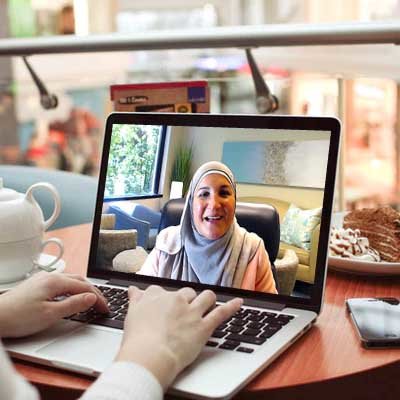
Laugh & Learn helps engaged and newly married Muslims evaluate compatibility, navigate family involvement, discuss difficult topics, and build a stronger foundation.
Frequently Asked Questions
Is the 3/3 Rule part of Islamic law?
No. It is Haleh Banani’s practical framework for clarifying personal priorities and deal-breakers.
Should religion be the only factor?
Faith and character are central, but compatibility, attraction, emotional maturity, life goals, and safety also matter.
Can I expect a spouse to change?
Growth is possible, but marriage should not depend on transforming a person who does not currently share your values or readiness.
Next: Read two patterns newlyweds should stop before they become normal.

0 Comments