

Some Muslim couples enter marriage expecting intimacy to feel natural, only to discover that fear, shame, silence, or painful associations are standing between them.
For some women in particular, the messages used to encourage chastity before marriage were so severe that the mind never received the second message: within a halal marriage, intimacy is not dirty. It is part of closeness, affection, and mutual care.
The central issue: Chastity should be taught without creating disgust toward the body or halal marital intimacy. After marriage, both spouses need permission to communicate, learn, initiate, and respond without shame.
When a Protective Message Becomes a Painful Association
Parents may warn children about sexual behavior because they want to protect them. The intention may be sincere. The problem comes when the message is framed as though intimacy itself is degrading or sinful, rather than something that belongs within marriage.
A person can intellectually know that intimacy is halal and still feel anxiety, guilt, disgust, or emotional shutdown. These reactions are not always a sign of rejection toward the spouse. They may be learned associations that need patience and, at times, qualified support.
Silence Does Not Protect a Marriage
Many couples never discuss intimacy directly. They hope the other person will understand, feel embarrassed to ask, or treat dissatisfaction as something they must quietly tolerate. The silence usually creates more confusion.
A respectful conversation can include questions such as:
- What helps you feel emotionally safe and connected?
- Is there anything that creates pressure, discomfort, or shame?
- What kind of affection helps you feel wanted?
- How can we talk about frequency without turning it into accusation?
- Do pain, health concerns, trauma, medication, exhaustion, or hormonal changes need professional attention?
Mutual Fulfillment Requires Mutual Curiosity
Do not assume that your spouse experiences closeness exactly as you do. One spouse may focus on frequency while the other needs more tenderness, emotional safety, or time to transition. These are not excuses to dismiss either person. They are reasons to become more curious.
The healthiest question is not, “Who is right?” It is, “What helps both of us feel safe, respected, desired, and connected?”
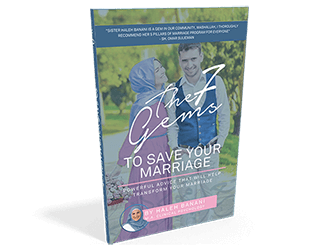
Free marriage guide
Start with Haleh Banani’s 7 Gems to Save Your Marriage—practical shifts you can begin using immediately.
Initiative and Responsiveness Matter
If one spouse always initiates, they may eventually feel unwanted. If the other participates only from duty, the relationship may begin to feel emotionally empty. Initiative does not have to be dramatic. Affection, warmth, reassurance, and clear interest can communicate desire without pressure.
Consent and respect remain essential. Mutuality does not mean entitlement. Pain, fear, coercion, or unresolved trauma require a different kind of response than ordinary differences in preference.
When to Seek Help
Consider qualified medical or mental-health support when there is persistent pain, trauma, fear, sexual dysfunction, severe avoidance, medication effects, or coercion. A marriage educator or coach can help with communication and relationship skills, but should not replace appropriate diagnosis or treatment.
Strengthen the Whole Marriage
Physical intimacy is connected to friendship, emotional safety, conflict repair, spirituality, and self-development. The Five Pillars of Marriage helps couples work on the full relationship rather than isolating one symptom.
Frequently Asked Questions
Is shame around intimacy common after marriage?
It can be, especially when a person was taught about sexuality through fear or disgust. Knowing something is halal does not automatically erase years of emotional conditioning.
How should spouses discuss intimacy?
Choose a private, calm time outside the bedroom. Speak about your experience and needs without comparison, ridicule, threats, or blame.
What if intimacy is painful?
Persistent pain deserves medical evaluation. It should not be dismissed as a lack of interest or treated as something a spouse must endure.
Next: Learn how to protect your home from emotional and physical infidelity.
This article is educational and does not replace individualized medical, psychological, legal, or religious guidance.



0 Comments